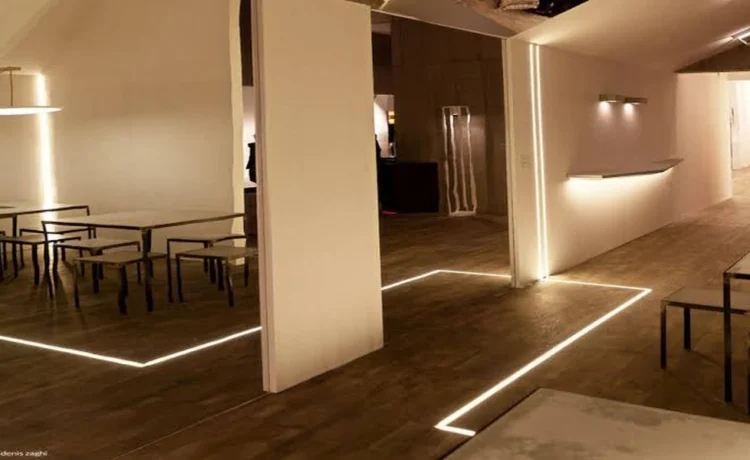
A well-designed lighting system can completely change the appearance of a room, highlight architectural details, and create an atmosphere that feels both comfortable and inviting. LED strip lighting has become an increasingly popular choice for residential, commercial, and industrial environments because of its flexibility, energy efficiency, and wide range of applications. From decorative ceiling installations to functional workspace illumination, these lighting solutions offer practical benefits while supporting modern interior design requirements.
Understanding the Growing Popularity of LED Strip Lighting
Lighting technology has developed significantly over the years, moving beyond traditional bulbs and fluorescent fixtures. LED strip lights have gained attention because they combine compact construction with adaptable illumination. Their slim design allows installation in locations where conventional lighting fixtures may not fit. These products are available in different brightness levels, colour temperatures, lengths, and configurations, making them suitable for various environments. Their ability to provide consistent illumination while consuming comparatively less electricity makes them an appealing option for projects focused on efficiency and long-term performance.
The Importance of Quality in LED Strip Production
Product quality plays an essential role in determining how effectively an LED lighting system performs. Factors such as circuit board materials, LED chip quality, electrical components, heat management, and protective coatings can influence durability and light consistency. Selecting an experienced LED Strip manufacturer can help buyers identify products designed to meet specific installation and performance requirements. Reliable manufacturing processes also support better quality control, reducing the likelihood of uneven brightness, premature failures, and inconsistent colour output. These considerations are particularly important for large commercial installations where dependable lighting is required.
Different Applications Across Residential and Commercial Spaces
LED strip lighting offers considerable design flexibility, making it suitable for multiple applications. In residential properties, it is commonly installed beneath kitchen cabinets, along staircases, behind television units, and around false ceilings. These placements provide additional illumination without occupying significant space. Commercial environments use strip lighting for retail displays, reception areas, office interiors, restaurants, and hospitality settings. It can highlight merchandise, improve visibility, and create distinctive visual experiences. Industrial facilities may also use suitable LED strip products for equipment areas, storage spaces, and workstations requiring supplementary lighting.
Understanding LED Types and Their Performance
Different LED configurations serve different lighting purposes. The 5050 LED package, for example, is widely used in decorative and general illumination applications because of its relatively large package size and ability to produce bright output. The final performance depends on the chip design, electrical specifications, installation conditions, and thermal management. One product specification worth considering is the 5050-WW-300 light strip Max Power: 72W; which indicates a warm-white lighting configuration with 300 LEDs and a stated maximum power rating. Checking these specifications helps buyers select products according to their project requirements.
Why Energy Efficiency Matters in Modern Lighting
Electricity consumption is an important consideration when selecting lighting products for homes, offices, and commercial buildings. LED technology generally converts a greater proportion of electrical energy into visible light compared with traditional incandescent lighting. This can help reduce electricity consumption when suitable products replace less efficient alternatives. LED strips also offer dimming options in compatible systems, allowing users to adjust brightness according to different activities and environmental conditions. However, actual energy savings depend on operating hours, product efficiency, installation quality, and the specifications of the selected power supply.
Choosing Wholesale LED Strip Lighting for Larger Projects
Large-scale lighting installations require careful attention to product availability, consistency, and overall purchasing costs. Contractors, distributors, retailers, and interior designers often evaluate different suppliers before selecting suitable lighting products. Purchasing Wholesale LED Strip Lights can provide a practical option for projects requiring multiple rolls, standardised specifications, or regular stock replenishment. Before placing an order, buyers should examine LED density, voltage, colour temperature, waterproofing ratings, adhesive quality, and compatibility with controllers. These details help ensure that the selected lighting products match the technical and visual expectations of the installation.
Installation and Maintenance Considerations
Correct installation has a direct influence on the performance and service life of LED strip lighting. The mounting surface should be clean, dry, and suitable for the adhesive backing or installation clips being used. Power supplies must match the voltage and total wattage requirements of the strip. For longer installations, voltage drop should also be considered because it can cause brightness differences across the lighting run. Adequate ventilation and heat dissipation are important, particularly when strips are installed inside enclosed channels. Regular inspection of electrical connections and mounting surfaces can help maintain consistent operation.
Factors to Consider Before Selecting a Supplier
Choosing a suitable supplier involves more than comparing product prices. Buyers should evaluate technical documentation, product specifications, manufacturing consistency, available customisation, and after-sales support. Waterproof ratings are especially relevant for outdoor installations, kitchens, and areas exposed to moisture. Similarly, colour rendering, colour temperature, and brightness should be considered when lighting is intended for retail displays or work environments. Clear information about warranty conditions, production capacity, and delivery arrangements can also support informed purchasing decisions. A supplier offering transparent product details makes it easier to compare alternatives and plan installations accurately.
The Future of LED Strip Lighting Technology
The LED lighting industry continues to evolve through improvements in chip efficiency, smart controls, flexible circuit designs, and custom lighting solutions. Smart LED strips can integrate with compatible controllers, mobile applications, and home automation systems, allowing users to adjust brightness and colours remotely. Advances in manufacturing are also supporting more specialised products for architectural lighting, signage, furniture, and decorative installations. As energy efficiency and adaptable design become increasingly important, LED strip lighting is expected to remain a significant part of modern illumination projects across residential and commercial sectors.
Conclusion
LED strip lighting provides a versatile approach to modern illumination by combining compact construction, flexible installation, and energy-conscious performance. Selecting appropriate specifications, understanding installation requirements, and evaluating supplier reliability are essential steps towards achieving satisfactory results. Businesses and project planners exploring different lighting options can review the product information and available solutions at dekingled.com, which offers a reference point for examining LED strip lighting products and manufacturing-related options. Careful product selection can support visually appealing installations, dependable operation, and lighting systems suited to changing residential and commercial requirements.